

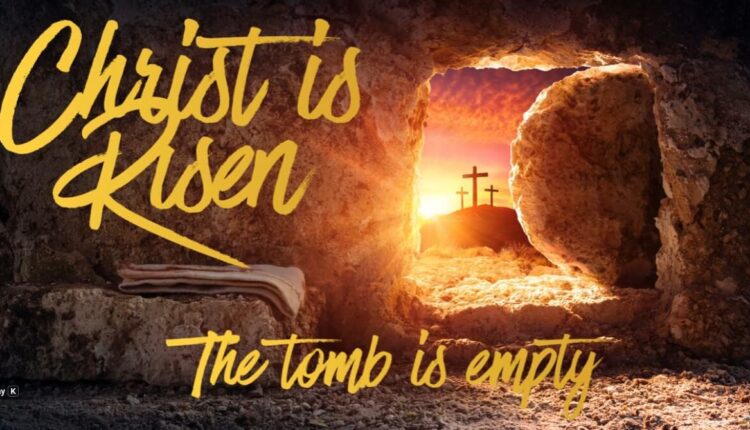
RESURRECTION: THE BEDROCK OF CHRISTIAN FAITH AND BELIEFS
Because He Lives: The Resurrection That Changed Everything
The resurrection of Jesus Christ is the heartbeat of the Christian faith and the foundation of every believer’s hope. If Christ had remained in the grave, faith would be empty, sin would still hold humanity captive, and the promise of eternal life would be lost. But because He rose again, hope conquered despair, life overcame death, and God’s love was revealed in its fullest power. For the African audience, where faith, endurance, and community are deeply treasured, the resurrection is more than a historical event—it is a living reality that speaks of victory after suffering, light after darkness, and restoration after brokenness. It reminds us that no struggle, poverty, pain, or disappointment has the final word. Through the risen Christ, believers are called into a new life filled with courage, purpose, and the assurance that God’s power can transform both individuals and nations.

- If Christ is not risen, the foundation of Christian faith collapses, as resurrection is central to belief.
- If Christ is not risen, the promise of eternal life is rendered void.
- If Christ is not risen, the apostles’ preaching would be in vain, leading to a loss of purpose.
- If Christ is not risen, sin remains unatoned, leaving humanity without hope for redemption.
- If Christ is not risen, Christian practices and rituals lose their significance and meaning.
- Christ is risen, not as a story, but as truth that reshapes every life.
- Christ is risen, and nothing remains the same after that moment.
- Christ is risen, and every promise of God stands fulfilled.
- Christ is risen, and hope is no longer distant.
- Christ is risen, and Christian faith finds its foundation.
- Christ is risen, and new life begins in every believing heart.”
Christians joyfully celebrates the crucifixion and the resurrection of Jesus Christ, every Easter. In this edition, LIGHT THE WAY reflects on how these events symbolize God’s infinite love for us that has become the foundation of the Christian faith. The resurrection of Jesus Christ is not merely one doctrine among many—it is the foundation upon which the entire Christian faith stands or falls. Apostle Paul said it plainly: “If Christ has not been raised, then your faith is useless and you are still guilty of your sins.” (1 Corinthians 15:17, NLT). Without the resurrection, the Gospel collapses into wishful thinking, and the New Testament becomes little more than moral commentary. Yet with it, death is defeated, sin is conquered, and our hope becomes unshakable. And this doctrine is not isolated to one event on Easter Sunday. The resurrection is both the central historical event of the Gospel and a future promise for believers—bodily resurrection and eternal life. It is also spiritual in its current impact, as we are raised to walk in newness of life now (Romans 6:4). The story of Easter began over 2,000 years ago in Jerusalem. Jesus Christ, the Son of God, freely offered His life for our salvation. After His death on Good Friday, He was laid in a tomb. Three days later, just as He had foretold, He rose from the dead. This miracle, the Resurrection, became the foundation of Christian faith. As early as the second century, believers gathered each spring to celebrate Christ’s victory over sin and death, honoring the mystery that changed the world forever.
Definition/Meaning: The term “resurrection” comes from a Greek word “anastasis” It means “rising again” or being raised.” As it concerns God and Jesus it means the bodily rising from dead or sometimes used as “being raised to a new life” as god raised Jesus from dead. This meaning is overwhelmingly literal and physical. The resurrection of Jesus Christ goes beyond historical event, it is the bedrock of Christian faith, stands as pivotal event in Christian theology and serves as cornerstone of the Christian faith. It is the foundation upon which Christian hope and eternal life as well as the assurance of salvation are built and power available to every believer today. As it stands to fulfill the Old Testament prophesies and guarantees the believers future resurrection (future hope).
Sean McDowell on Resurrection, heart of the Christian faith illuminates, “The historical fact of the resurrection is the very foundation for the Christian faith. It is not an optional article of faith—it is faith! The resurrection of Jesus Christ and Christianity stand or fall together. One cannot be true without the other. Belief in the truth of Christianity is not merely faith in faith—ours or someone else’s—but rather faith in the risen Christ of history. Without the historical resurrection of Jesus, the Christian faith is a mere placebo. Worship, fellowship, Bible study, the Christian life and the church itself are worthless exercises in futility if Jesus has not been literally and physically raised from the dead. Without the resurrection, we might as well forget God, church and following moral rules and “feast and drink, for tomorrow we die!” (1 Cor. 15:32). On the other hand, if Christ has been raised from the dead, then he is alive at this very moment, and we can know him personally (see 1 Cor. 15:4). Our sins are forgiven (see v. 3), and he has broken the power of death (see v. 54). Furthermore, he promises that we too will be resurrected someday (see v. 22). We can trust him because he is sovereign over the world (see v. 27). He will give us ultimate victory (see v. 57), and he has a plan for our lives (see v. 58).
McDowell adds The Centrality of the Resurrection: The resurrection has been the focus of the church since its inception. The New Testament book of Acts, which tells the story of the beginning of the Christian church, illustrates this well: • In the first chapter the 11 apostles were trying to find a replacement for Judas. One criterion for the selection of an apostle was that he “must become a witness with us of His [Jesus’] resurrection” (Acts 1:22, NASB). • In Acts 2:23-24 Peter gives his first sermon on the day of Pentecost. The keynote of his address was, “This Man, delivered over by the predetermined plan and foreknowledge of God, you nailed to a cross by the hands of godless men and put Him to death. But God raised Him up again, putting an end to the agony of death, since it was impossible for Him to be held in its power” (NASB). Paul refers to the resurrection of Jesus 53 times in his letters. Most of these texts assert the primacy of the resurrection, the assurance it gives us of our own future bodily resurrection or both. He emphasizes the centrality of the resurrection in his letter to the Thessalonians: “For they themselves report about us what kind of a reception we had with you, and how you turned to God from idols to serve a living and true God, and to wait for His Son from heaven, whom he raised from the dead, that is Jesus, who rescues us from the wrath to come” (1 Thess. 1:9-10, NASB, emphasis added). British scholar N.T. Wright explains how central the resurrection has been in the life of the church: There is no form of early Christianity known to us—though there are some that have been invented by ingenious scholars—that does not affirm at its heart that after Jesus’ shameful death God raised him to life again. Already by the time of Paul, our earliest written records, the resurrection of Jesus is not just a single detached article of faith. It is woven into the very structure of Christian life and thought.
3 Main Contexts of Jesus’ resurrection:
I. Bodily resurrection: The 4 synoptic Gospels recorded the bodily resurrection of Jesus as a literal physical and historical event. Jesus was crucified, died, buried, and bodily raised from the dead on the third day. He was seen by many witnesses including Peter, and the twelve disciples. This event was recorded in scripture and validated by the explosive growth of the early Church.(Matt 28:6; Mark 8:31; Rom 4:25; 1Cor 15:3-6 & 1 Thess 1;9-10).
II.Believers’ Future resurrection: Jesus’ resurrection guarantees the future resurrection of all believers.
III.The Spiritual resurrection: When we get born again (come to Christ moment) there occurs spiritual resurrection of the soul of those in Christ. It’s a regeneration of the soul that awaits the resurrection of the body later. (Rom 6:3-4; Col.3:1)
Why Is the Resurrection bedrock of Christian Faith and Beliefs?
The importance of the resurrection within Christianity cannot be overemphasis. It serves as the cornerstone of faith, influencing various beliefs and practices. Little wonder, Jesus’ resurrection is so fundamental and pivotal. Key reasons are
Fulfillment of Prophecy: The resurrection is seen as the fulfillment of Old Testament prophecies and the teachings of Jesus. It validates His identity as the Messiah and reinforces the truth of the Scriptures.
Verification of Jesus’ Divinity: By rising from the dead, Jesus demonstrated His divine nature. This event underscores the belief that God has power over life and death, thereby establishing Jesus as the Son of God.
Assurance of Eternal Life: The resurrection provides Christians with the promise of their own resurrection and eternal life. This fundamental belief shapes Christian perspectives on death and salvation.
Foundation of Christian Hope: The concept of hope is deeply intertwined with the resurrection. It gives believers confidence in God’s promises and the assurance that they can overcome life’s challenges.
Inspiration for Living: The resurrection motivates believers to live transformed lives, echoing Jesus’ teachings and striving to reflect His love and grace in the world. The resurrection is not merely an event; it is the foundation upon which the entire Christian faith stands. Why is it fundamental? Because it encapsulates the essence of belief, hope, and the transformative power of Christ’s love for humanity.
Topical Encyclopedia on The Resurrection as the Cornerstone, “Christ as the Cornerstone The metaphor of Christ as the cornerstone is prevalent in Scripture, emphasizing His foundational role in the Church. Ephesians 2:20 describes believers as being “built on the foundation of the apostles and prophets, with Christ Jesus Himself as the cornerstone” . The Resurrection is intrinsic to this imagery, as it is the event that solidifies Christ’s position as the cornerstone of faith.
Implications for the Church The Resurrection as the cornerstone has profound implications for the Church:
Unity and Growth: The Church is unified in the belief in the risen Christ, and this unity is essential for its growth and mission. The Resurrection empowers the Church to proclaim the Gospel with boldness and assurance.
Living Hope: The Resurrection instills a living hope in believers, motivating them to live holy and godly lives in anticipation of Christ’s return (1 Peter 1:3).
Empowerment by the Spirit: The same power that raised Jesus from the dead is at work in believers through the Holy Spirit, enabling them to live victoriously over sin (Romans 8:11).
In summary, the Resurrection of Jesus Christ is the cornerstone of Christian faith, providing the foundation for doctrine, hope, and the life of the Church. It is the event that confirms Jesus’ identity, assures believers of their salvation, and empowers them to live in the light of eternity.
Why the Resurrection Matters (Yellena T on Resurrection Meaning: The Foundation of Christian Hope)
Proof of Christ’s Divinity
Jesus’ resurrection proves He is who He claimed to be, the Son of God. Without the resurrection, Christianity would collapse. “If Christ has not been raised, your faith is futile; you are still in your sins.” – 1 Corinthians 15:17
Victory Over Death
The resurrection broke the curse of sin and death. For believers, death is no longer the end – it’s a doorway to eternal life.
New Life for Believers
The same power that raised Jesus is available to us through the Holy Spirit (Romans 8:11). You are not only forgiven – you are transformed.
Hope in Times of Suffering
Because of the resurrection, we have hope beyond pain, illness, and even death. Our trials are temporary, but His promise is eternal.
What Does Resurrection Mean for You Personally?
You can have eternal life: Believing in the resurrected Christ gives you access to God’s eternal kingdom.
You can live in freedom now: You are no longer a slave to sin. Resurrection means you have the power to live a new life (Romans 6:4).
You can face the future with hope: No matter what happens in this life, the resurrection guarantees that your story doesn’t end in the grave.
How to Live a Resurrection Life
Believe in the Gospel – Trust in Jesus as the risen Son of God
Be Born Again – Experience spiritual rebirth (John 3:3)
Walk in Newness of Life – Live empowered by the Holy Spirit
Share the Hope – Tell others the good news: He is risen!
Concluding thoughts:
“The Resurrection stands as a significant pillar of the Christian faith, embodying the promise of hope, renewal, and divine love. It transforms despair into hope, enables believers to face challenges with courage, and inspires a life reflective of unconditional love and grace. Ultimately, it is a call to recognize the deeper truths woven into existence and to live out those truths in every aspect of life. The enduring significance of the Resurrection speaks to the heart of Christian belief, inviting all who encounter its message to consider the profound implications it holds for both personal faith and community life.” “Belief in the resurrection of Jesus Christ is not only reasonable but also essential for Christians because it is grounded in Scripture, supported by historical evidence, aligned with philosophical principles, and affirmed by personal experiences. The identify of the risen Savior as the Son of God, confirms the efficacy of His sacrificial death for the forgiveness of sins, and offers the hope of eternal life to all who believe.” As the Apostle Paul declares in Philippians 3:10-11, “that I may know Him and the power of His resurrection, and the fellowship of His sufferings, being conformed to His death, if, by any means, I may attain to the resurrection from the dead.” Therefore, embracing the reality of the risen Savior is not merely an intellectual exercise but a transformative truth that shapes the identity, beliefs, and mission of the Christian faith.
Finally, “Raised with Him—Now and Forever: The resurrection is more than a historical event or theological concept. It is the beating heart of the Gospel. It proclaims that sin is defeated, death is undone, and Jesus is Lord overall. For the believer, resurrection is not just hope for the future—it’s life-transforming power now. As Paul said, “If we have put our hope in Christ for this life only, we should be pitied more than anyone in the world.” (1 Corinthians 15:19, NLT). But we are not to be pitied. We are to be raised—just as He was. That is our living hope.” “The resurrection is not just about Jesus coming back to life – it’s about you stepping into the life He offers. It’s about hope, freedom, and eternity. God’s plan has always been to rescue, redeem, and raise us through Jesus. Understanding the resurrection meaning can transform how you view life, death, and your purpose in God’s eternal plan.”